
Losing weight sustainably is not about following an extreme diet or trying to change your body overnight. It means developing healthy habits that help you lose weight gradually—and maintain the results over time.
Here are the five foundations of sustainable weight loss.
Key Takeaway
The best weight-loss plan is not the fastest one — it is the one you can follow safely and consistently. Focus on balanced meals, sensible portions, regular movement, adequate sleep and gradual improvement.
1. Understand Calorie Balance
Your body needs energy, measured in calories, to function. Weight loss generally occurs when you consistently consume fewer calories than your body uses.
However, this does not mean you should severely restrict your food. Extreme calorie reduction can leave you hungry, tired and unable to maintain your plan.
Start with manageable changes, such as:
- Reducing oversized portions
- Limiting sugary drinks and frequent snacks
- Cooking more meals at home
- Choosing filling, nutrient-rich foods
The aim is to create a modest calorie deficit without making your diet miserable.
2. Build Balanced Meals
You do not need to eliminate carbohydrates or survive on salads. A balanced meal can include:
- Protein: Chicken, fish, eggs, beans, lentils, tofu or Greek yoghurt
- High-fibre carbohydrates: Oats, potatoes, brown rice, wholegrain bread or beans
- Vegetables or fruit: These provide fibre, vitamins and volume
- Healthy fats: Nuts, seeds, olive oil or avocado—in moderate portions
Protein and fibre can help you feel satisfied for longer, which may make it easier to control hunger and avoid unnecessary snacking.
3. Move Your Body Regularly
Exercise supports weight management, but you do not need to begin with an exhausting workout programme.
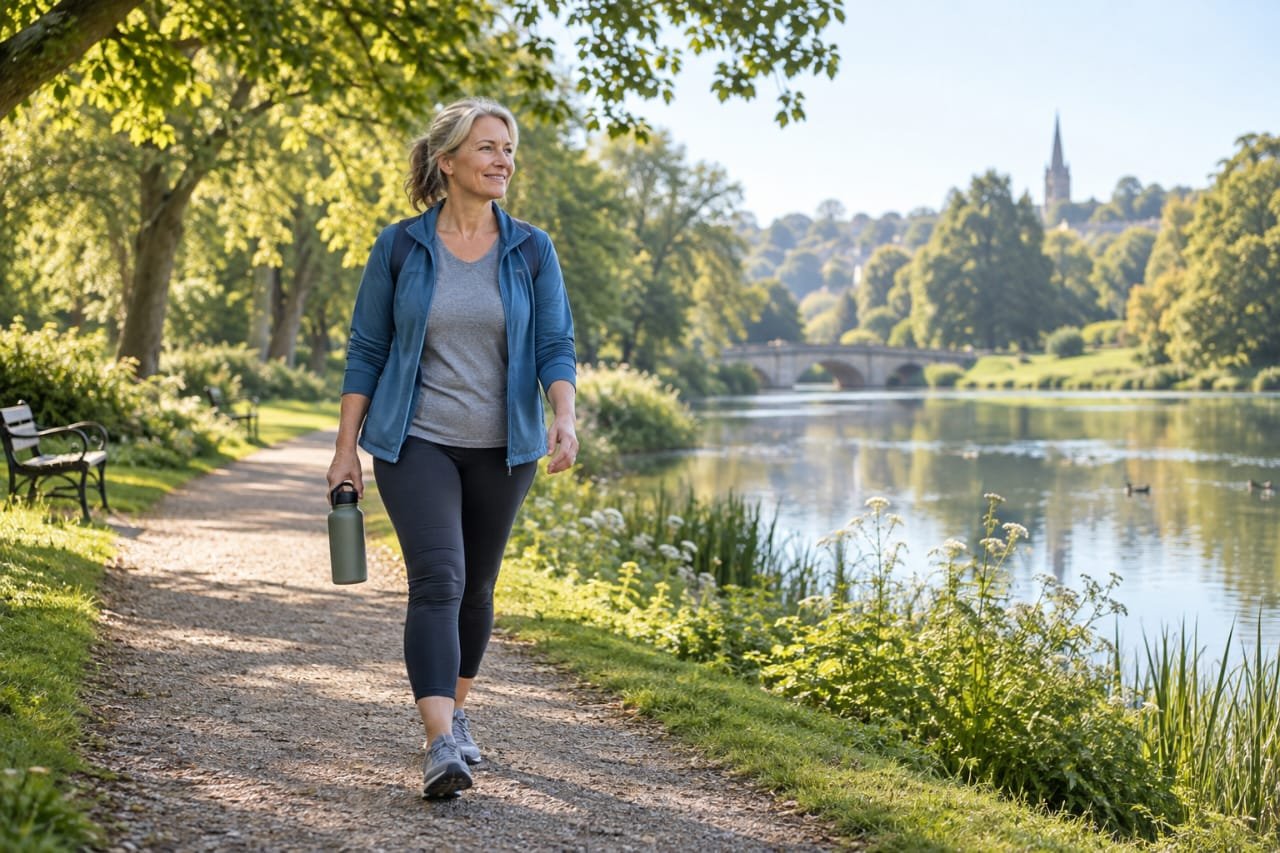
Walking is an excellent starting point. Begin with a comfortable amount and gradually increase your duration, pace or daily steps.
Strength exercises are also valuable because they help maintain muscle as you lose weight. Examples include squats to a chair, wall push-ups, resistance-band exercises and light weight training.
Choose activities you enjoy and can repeat consistently.
4. Take Sleep and Stress Seriously
Weight loss is not only about food and exercise. Poor sleep can affect your energy, appetite and ability to make healthy decisions.
Most adults should aim for approximately seven to nine hours of sleep each night, although individual needs vary.
Stress can also encourage emotional eating or reduce motivation. Helpful strategies include walking, prayer, relaxation exercises, journalling and speaking with someone you trust.
You do not need a perfect life to lose weight, but better sleep and stress management can make the process easier.
5. Set Realistic Expectations
Healthy weight loss is usually gradual. Your progress may also vary from week to week because body weight can be affected by water retention, meals, hormones and digestion.
Instead of judging your progress by one weigh-in, look at the overall trend over several weeks.
You can also track improvements such as:
- Clothes fitting more comfortably
- Increased energy
- Better walking endurance
- Improved eating habits
- Reduced waist measurement
A difficult day does not mean you have failed. Return to your normal routine at the next meal instead of abandoning your entire plan.
A Simple Starting Plan
For the next two weeks, focus on five actions:
- Include a source of protein in every main meal.
- Eat vegetables or fruit several times each day.
- Replace sugary drinks with water or lower-calorie alternatives.
- Walk for 20–30 minutes on most days, if physically able.
- Maintain a regular bedtime and aim for sufficient sleep.
Do not try to change everything at once. Begin with habits that fit your present lifestyle and build gradually.
Final Thoughts
The best weight-loss plan is not necessarily the fastest one. It is the one you can follow safely and consistently.
Focus on balanced meals, sensible portions, regular movement, adequate sleep and gradual improvement. Small actions may appear insignificant, but when repeated consistently, they can produce meaningful long-term results.
Related Reading and Trusted Sources
- Sustainable Weight Loss After 40: The Complete Beginner Guide
- High-Protein Meal Guide: Simple Ways to Eat More Protein After 40
- Walking for Weight Management: How Much, How Fast and How Often
- Sleep and Weight Gain: Why Poor Sleep Raises Appetite
- NHS: Healthy weight · CDC: Physical activity guidelines for adults